

Before & After Photos
Click on a photo to enlarge.
Denying Squirrels Access Into the Attic in Belle Mead, NJ
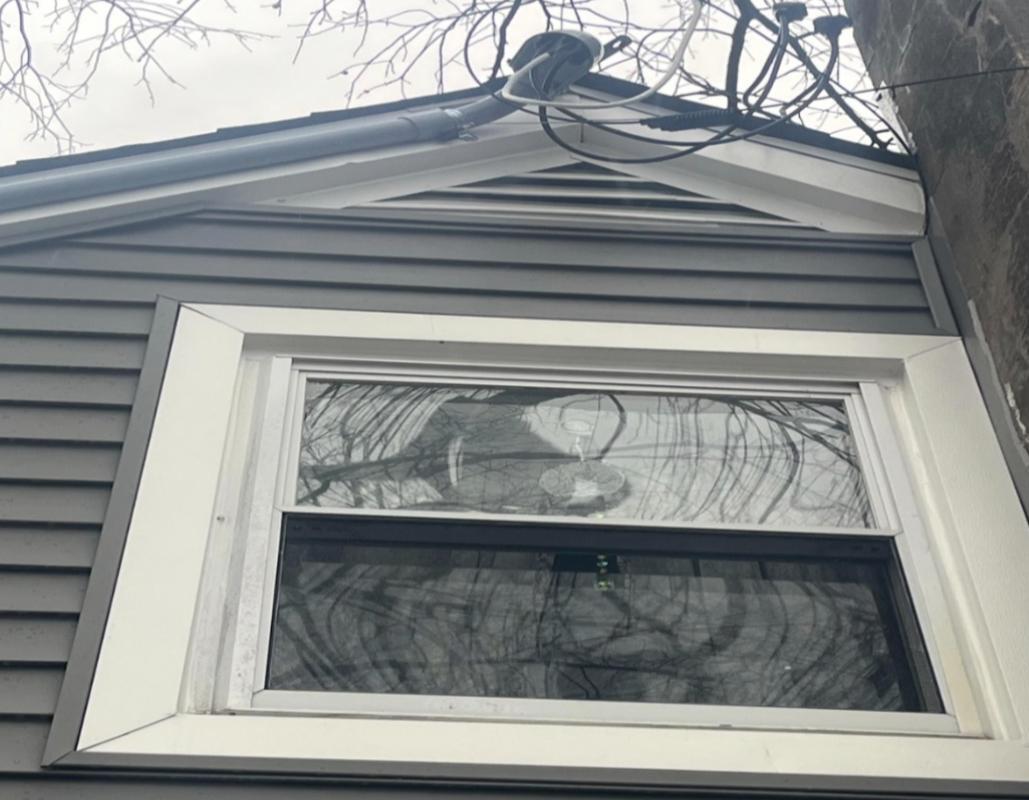
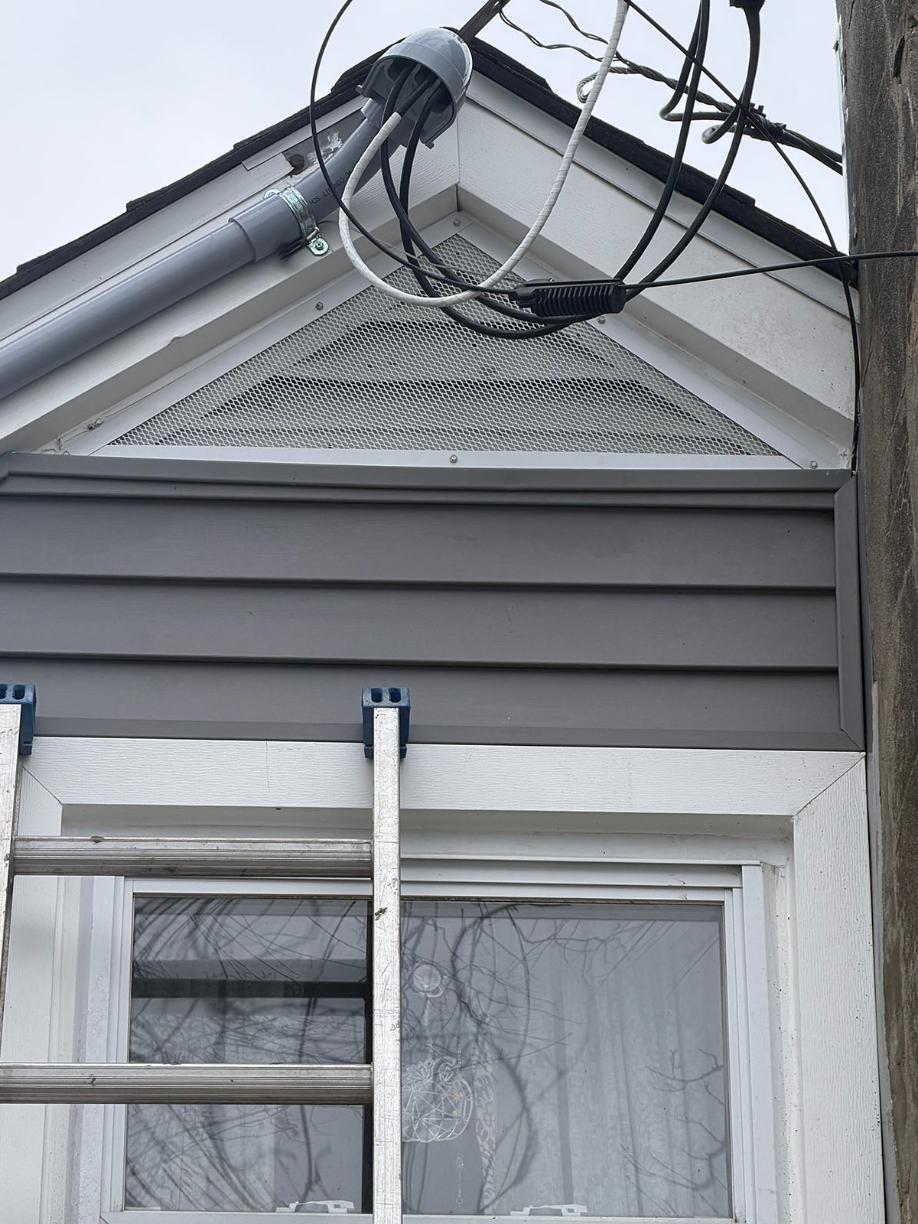
This homeowner had several squirrels take up residency in his attic, so he called Little Rascals for assistance and we were sent out. A short while after setting up our devices we were able to successfully and safely retrieve the squirrels and took them to a safer location. Now all that's left is to exclude the area that they got in - which was through the gable vent.
Before excluding the area, we thoroughly disinfected the attic first. After that was done we installed a louvered vent guard over the gable vent. A louvered vent guard is made out of heavy-duty Galvannealed steel. It won't rust, is customized to accommodate vents of all shapes and sizes, and properly secures the gable vents from not just squirrels, but also birds, bats, and all nuisance wildlife!
Dirty, dusty crawl space shines in Lawrence Township, NJ
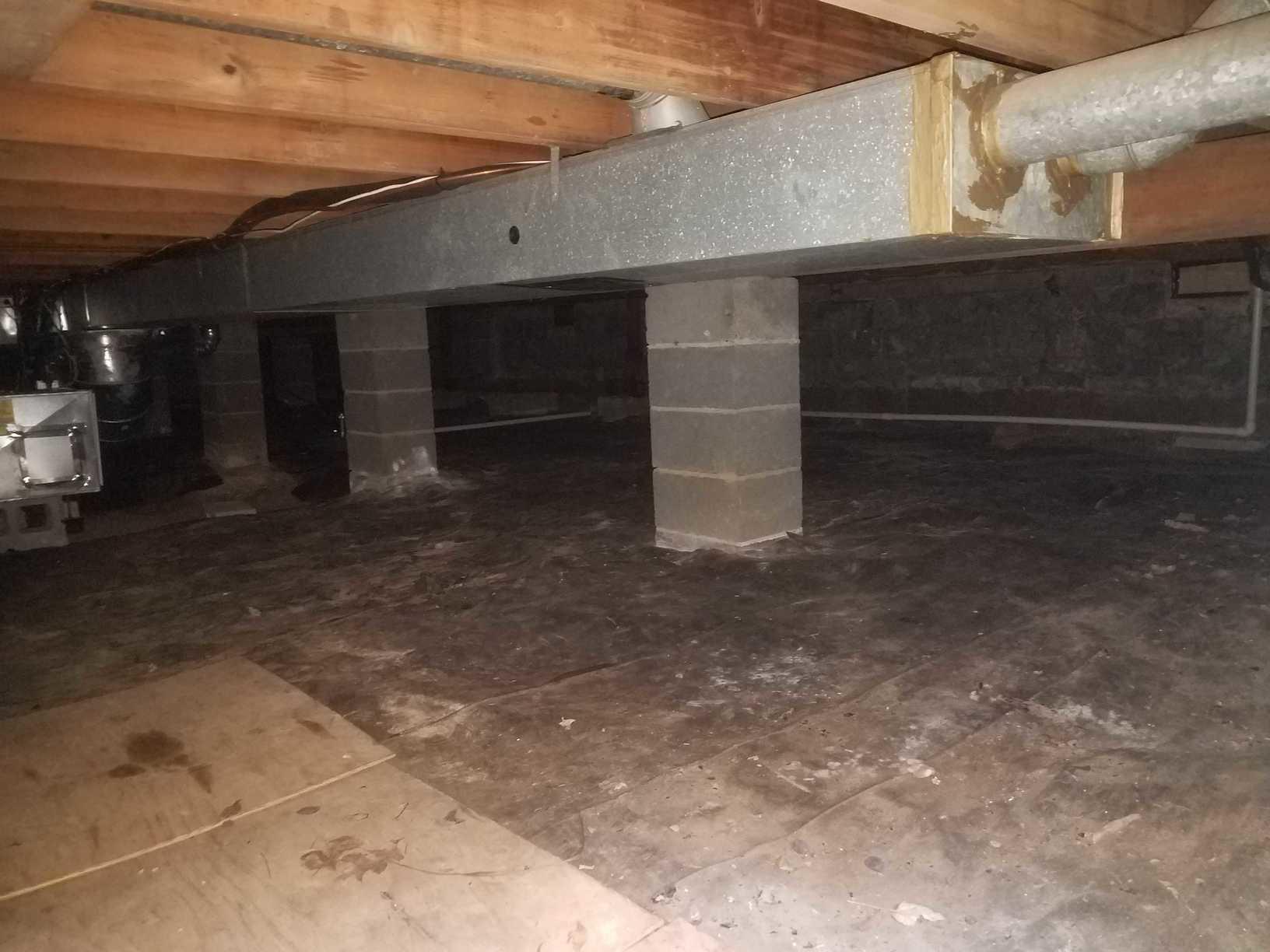

Recently, homeowners in Lawrence Township, NJ in Mercer County contacted Cowleys to upgrade their dirty, dusty crawl space. Crawl spaces are perhaps the most ignored areas of a home. They can also be fraught with problems that can affect the living spaces above. Dirty crawl space air circulates throughout the home, so even if you don’t see what’s going on down there, the crawl space in a very real way is visiting you on a daily basis. Crawl spaces are also notorious for high indoor humidity levels, for mold growth, and their damp, dark environment attracts insects. Many homeowners deal with pungent smells and poor indoor air quality because of problem crawl spaces.
This homeowner was bothered that there was a filthy area right below their first floor and decided it was time to do something about it. Cowleys has an experienced contractor crew that can improve crawl spaces in a variety of ways, up to and including the installation of a full CleanSpace encapsulation system. Crawl space encapsulation seals off the outdoor elements that can trigger all sorts of problems. Even if you don’t see puddles of water in your crawl space, ground soil is naturally saturated with water. By definition, any crawl space with a soil floor is damp and filled with moisture most of the time.
For this homeowner, we installed thick mold-resistant drainage matting to create a barrier between crawlspace and floor, a primary entry point of unwanted groundwater. We wrapped the walls with SilverGlo wall insulation, an Expanded Polystyrene Foam (EPS) product coated in a mold-resistant aluminum and put protective warping on the crawl space pillars as well. Finally, we put in a heavy-duty 20-mil CleanSpace vapor barrier. Our vapor barrier is much thicker and sturdier than a regular liner, and we mechanically fasten it to the walls. When, on occasion, you or a repair person need to access your crawl space, the barrier will not pull off or tear.
Once we completed the installation, these homeowners now benefitted from a home with a clean, improved crawl space. This home improvement will make their home more comfortable for the family, improve the indoor air quality, and reduce the risk of crawl space mold growth. For these homeowner, an added benefit was that their crawl space could now be used as a much-needed clean and dry storage area.
Behind the Wall is a Yellow Jackets Nest in Princeton, NJ


We were sent out on a service call for a new Home Protection Plan customer in Princeton, NJ who found an a yellow jackets nest in his bathroom! The owner was in the process of renovating the bathroom and when he removed a portion of the drywall close to the ceiling, he was attacked by several angry yellow jackets! The problem with yellow jackets nesting in the wall is that they think they are in the ground and will try to expand their nest by chewing through the infrastructure of the home!
For treatment, we injected a knockdown dusting application directly into the nest. This treatment exterminates the yellow jackets almost immediately. After several moments, we removed the nest, cleaned the area, and disposed of the nest. Now the owner can continue with his renovations without worrying about getting stung!
Starlings Clogged the Exhaust Vents in Princeton, NJ
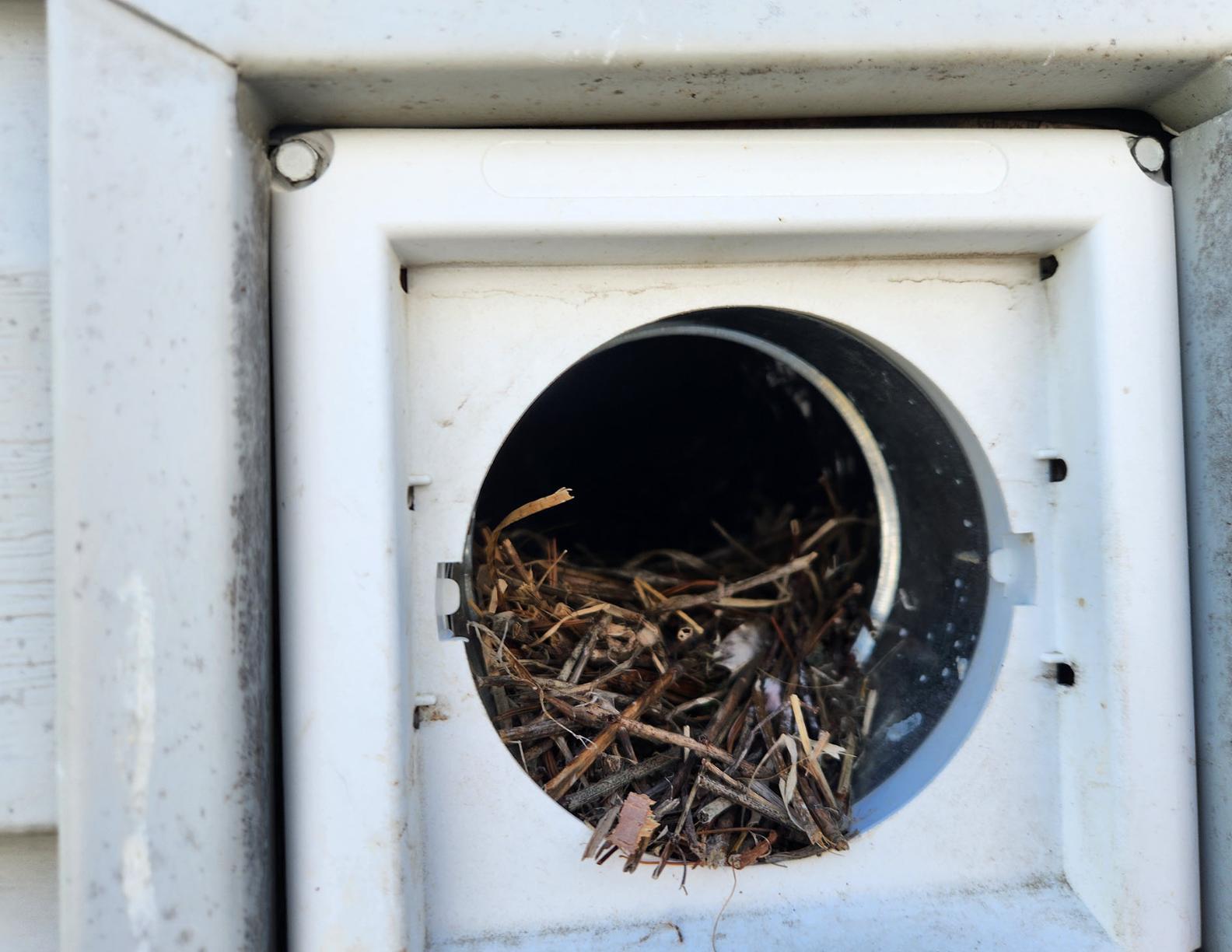
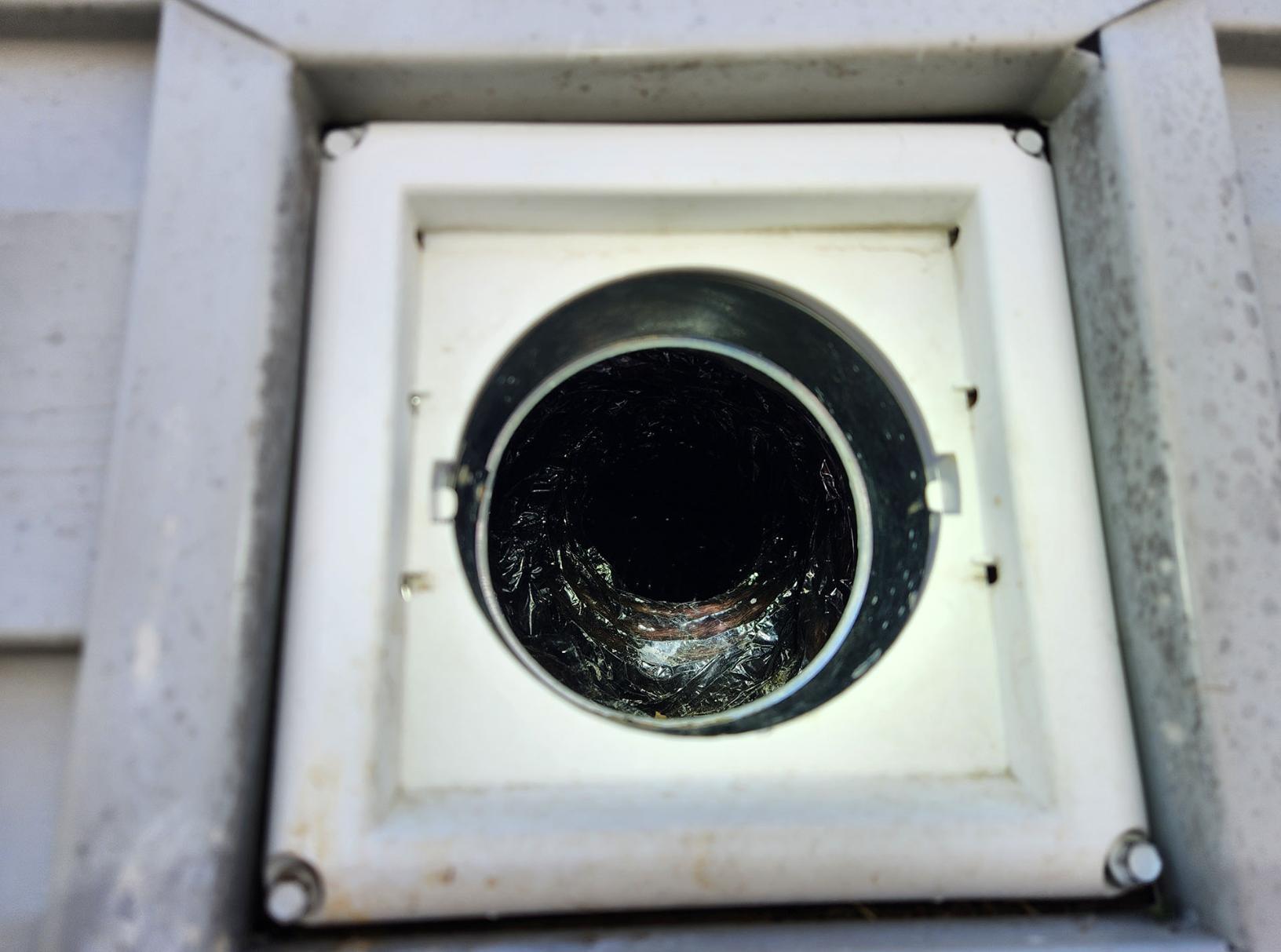
After noticing a large amount of bird nesting debris in a couple of his exhaust vents as well as actually witnessing a number of starlings flying out of the areas, this customer in Princeton, NJ called Bird Solutions for help and we were sent out. Blocked airflow from nests can cause dryers to overheat and create fire hazards, while also potentially leading to moisture buildup, mold, and the spread of diseases like histoplasmosis from droppings.
The first thing we did was carefully remove all of the nesting debris out of each one of the exhaust vents. Afterward, we disinfected each of the exhaust vents with a solution that targets bird mites. Bird mites are parasites that feed on the blood of birds. When birds leave their nests, the mites are left behind without a suitable host for their next blood meal and make their way into a home.
Lastly, to prevent any future nuisance bird intrusions, we installed a Defender over each of the exhaust vents. The Defender is the perfect choice to help keep out nuisance birds. While allowing free-flowing air movement, its patented design effectively blocks intrusion by using a system of bars instead of a screen under the hood.
Stopping Turkey Vulture From Roosting Underneath the Porch in Princeton, NJ
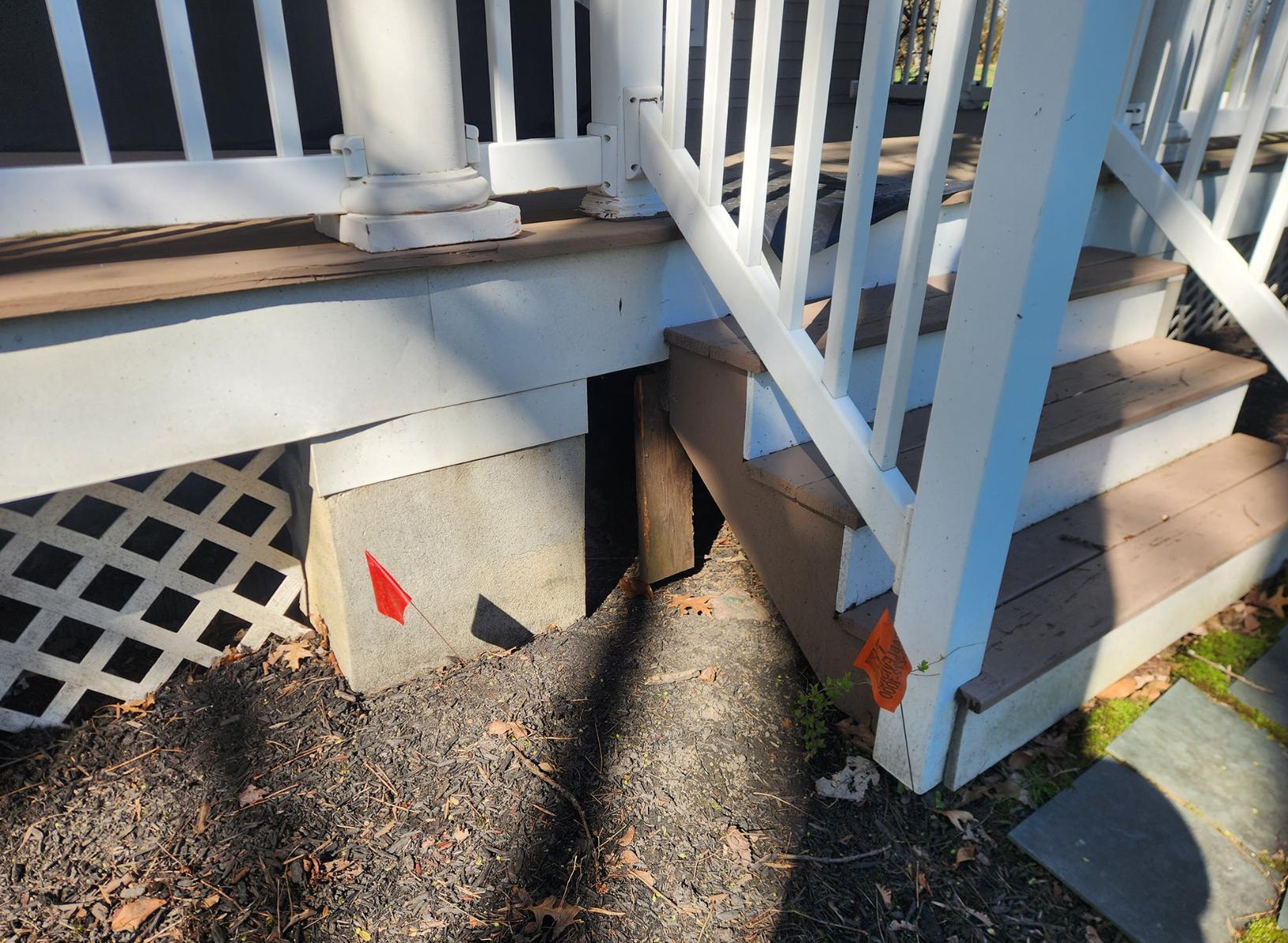
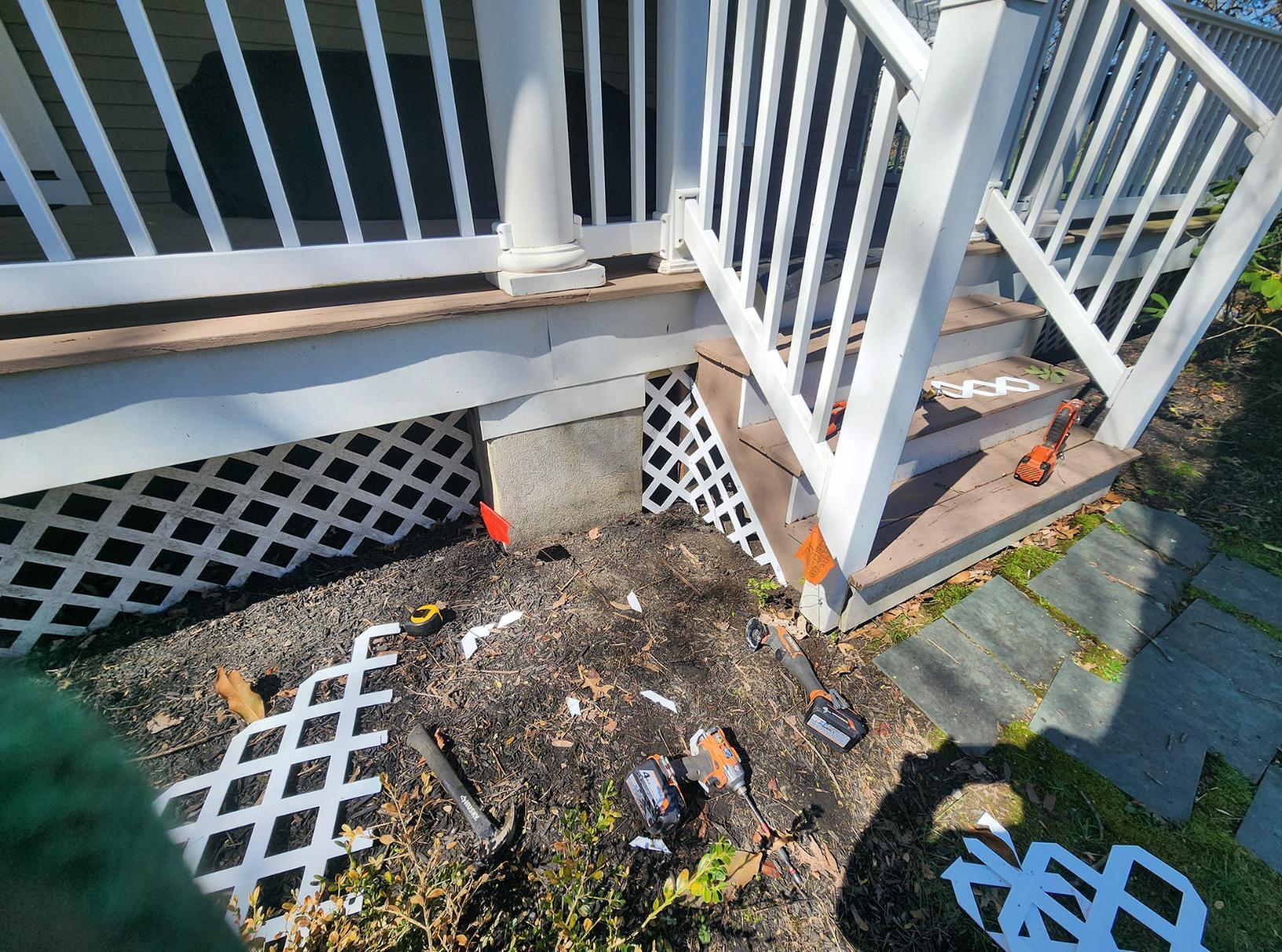
This homeowner in Princeton, NJ had an issue with turkey vultures roosting on her home and underneath her porch. So our Bird Solutions division was sent out to help.
First, we disinfected all of their roosting areas on the roof and underneath the porch. After that was done we installed a new and sturdy lattice to properly close off all the open areas around the porch. To stop the turkey vultures from roosting and defecating all over the roof, we installed shock track. These unique, electrically charged tracks impart a mild electrical shock when the turkey vultures land on them. The shock will not harm them but will condition them to avoid the area. The shock track gets affixed to roof with no screws and is connected to a solar-powered charger. Now the home is excluded from turkey vultures.

